Landowner Rights & Trail User Responsibilities

The Waskahegan Trail is a unique resource that exists only because of the generosity of landowners. Before you set foot on the trail:

  1. Know the landowner rights and the trail user responsibilities.
  2. Check the trail conditions

Prickly Rose

Spring

Prickly Rose (Rosa acicularis), the floral emblem of Alberta, is one of three wild rose species that grow in our region.  The common or thorny wild rose (Rosa woodsii) and the dwarf prairie rose (Rosa akansana), found mainly in the Waterton Park area, are the other two. In our region, the three species may grow together and sometimes interbreed.

Two distinguishing features of the prickly rose are: single rather than clustered flowers, and spiny stems throughout (i.e. prickly).  The Rosa woodsii has fewer thorns and they occur at the nodes (Johnson et al. 58, Gadd 277).

Flowers, Leaves and Fruit

When the prickly rose blooms in late spring we see and smell the typical fragrance of the pink five-petalled flowers. A special treat is seeing half-open buds and fully-open roses all gracing the same stem. Fully-open roses show a deep pink petal that is almost white at the center, where a cluster of yellow stamens attracts insects.

The toothed leaves grow in bunches of seven or nine, remain green until late fall when scarlet pear-shaped or fully round and fleshy fruit—the rose hips—start to form. Rose hips stay  all winter and can provide important survival food for wildlife.

WASKAHEGAN FIELD NOTES

Found along trails, road and field edges, and in open aspen forest, this ubiquitous shrub can be as short as 30 centimeters in dry open areas, and stretch to 1.5 meters tall in wooded areas.

You can enjoy this fragrant companion along the trails in June and early July; in October and November, you can snack on a few rose hips as you go by. “Three rose hips are said to contain as much Vitamin C as a whole orange” (Johnson et al, p 58). Be sure to spit out the seeds, though, as the little hairs covering them are an irritant to our digestive system.

Sources

  • Johnson, D., Kershaw, L., MacKinnon, A. and Pojar, J. Plants of the Western Boreal Forest and Aspen Parkland
  • Gadd, Ben. Handbook of the Canadian Rockies


Bunchberry Meadows: A pocket of natural treasures

Bunchberry Meadows is a piece of land just west of the city, surrounded by expensive acreages. Originally, the land was owned by five families. Over the years they developed it into a private wilderness area for their own recreation. With sensitivity, thoughtfulness, and obviously a lot of hard work, they put in a network of easy trails.

The land is now owned and maintained by the Edmonton Area Land Trust and the Nature Conservancy of Canada.  As a result, today’s citizens enjoy an incredible hiking experience.

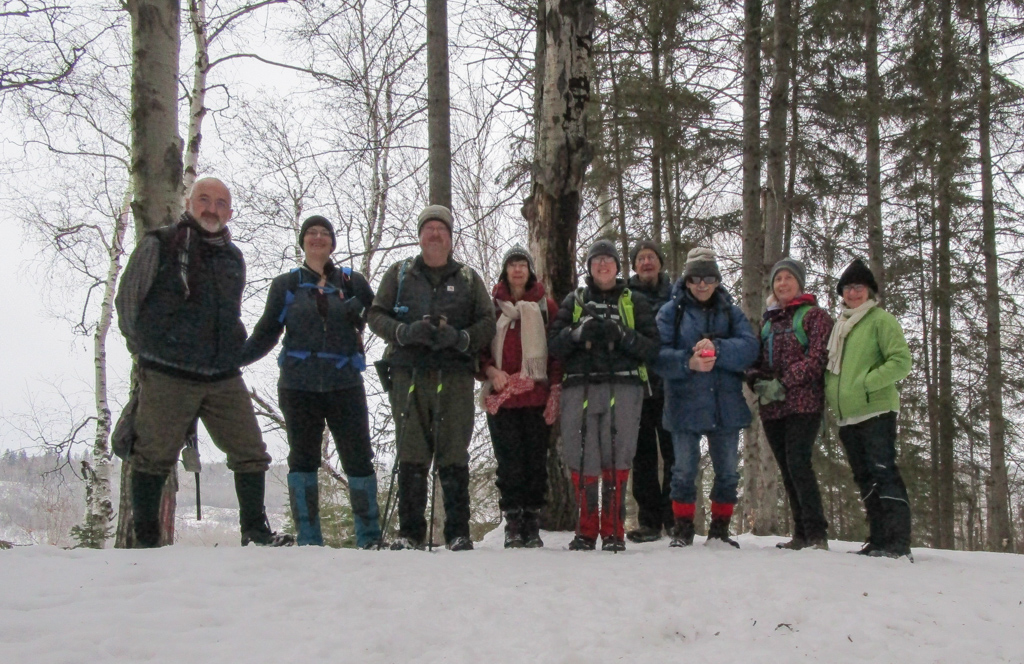
Nineteen people came out to hike this treasure, led by botanist Jerry Shaw.

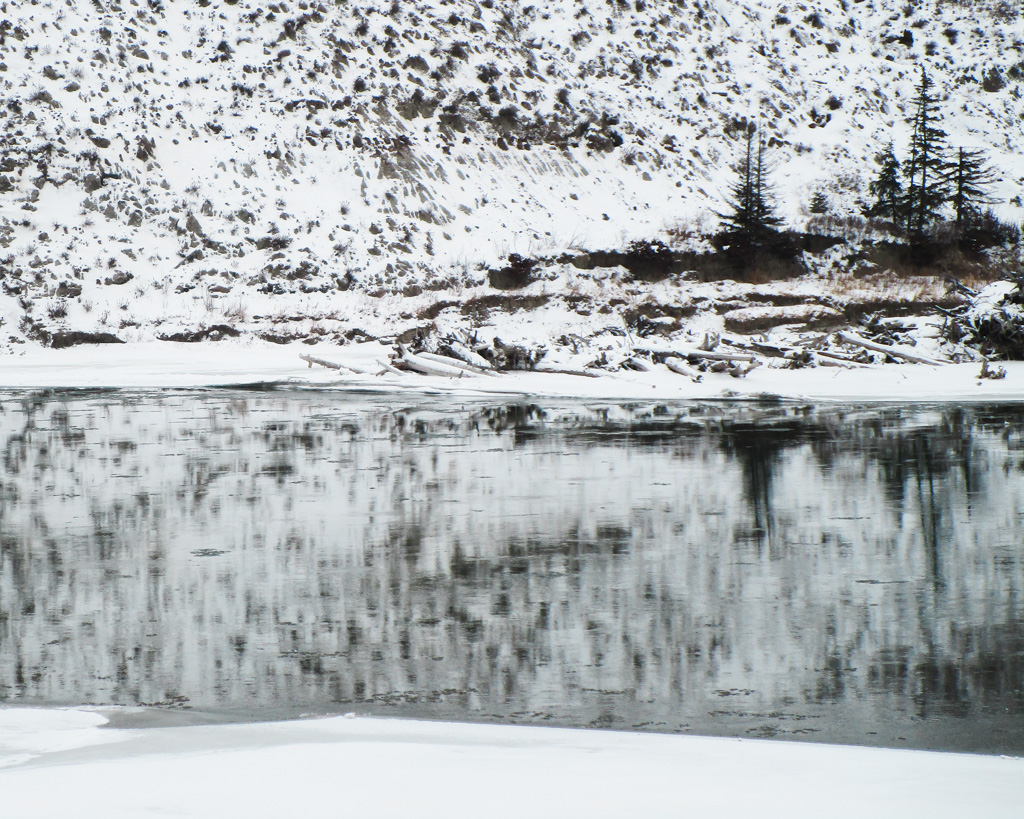
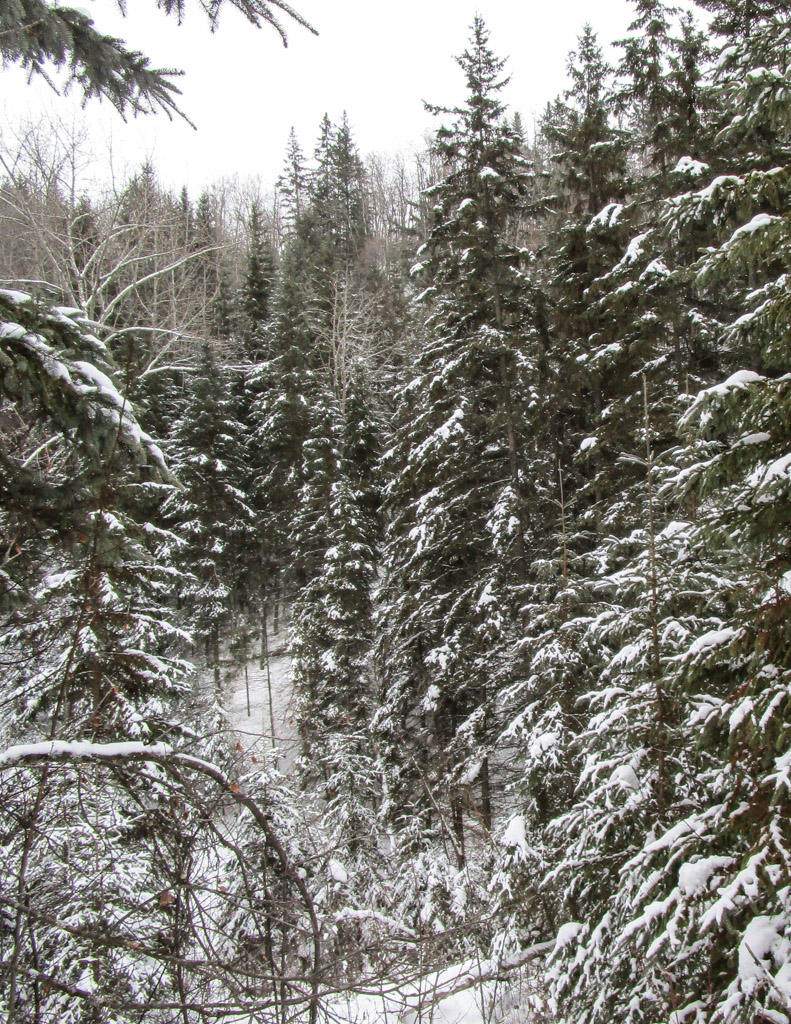
Up and down hills defined by ancient sand dunes, we passed through old growth birch forests, a stand of huge, unique pines that we couldn’t identify, and an alley of larches. In the open areas, we walked past meadows and strolled on berms overlooking wetlands.

Early in the week, Jerry had marked the spot where he knew there was a patch of club moss (Lycopodiopsida). We only had to lift off the snow to view this unusual low-growing evergreen.

After an 8 km loop, we arrived back at the parking lot, and ate our lunch at the row of picnic tables, in the sun.

You can see more photos on Flickr.